905-318-6106 93 Sanatorium Rd, Hamilton, ON L9C 1Y6
Mon–Fri 9–8 · Sat 8–2 New Patients Welcome

TMJ / TMD Treatment

Your temporomandibular joints (TMJ) work every time you chew, speak, or yawn — and when they're inflamed or your bite is off, the result can be jaw pain, clicking, locked jaw, ear pain, and chronic headaches. Our TMJ/TMD clinic identifies what's driving your symptoms and treats the cause, not just the pain.

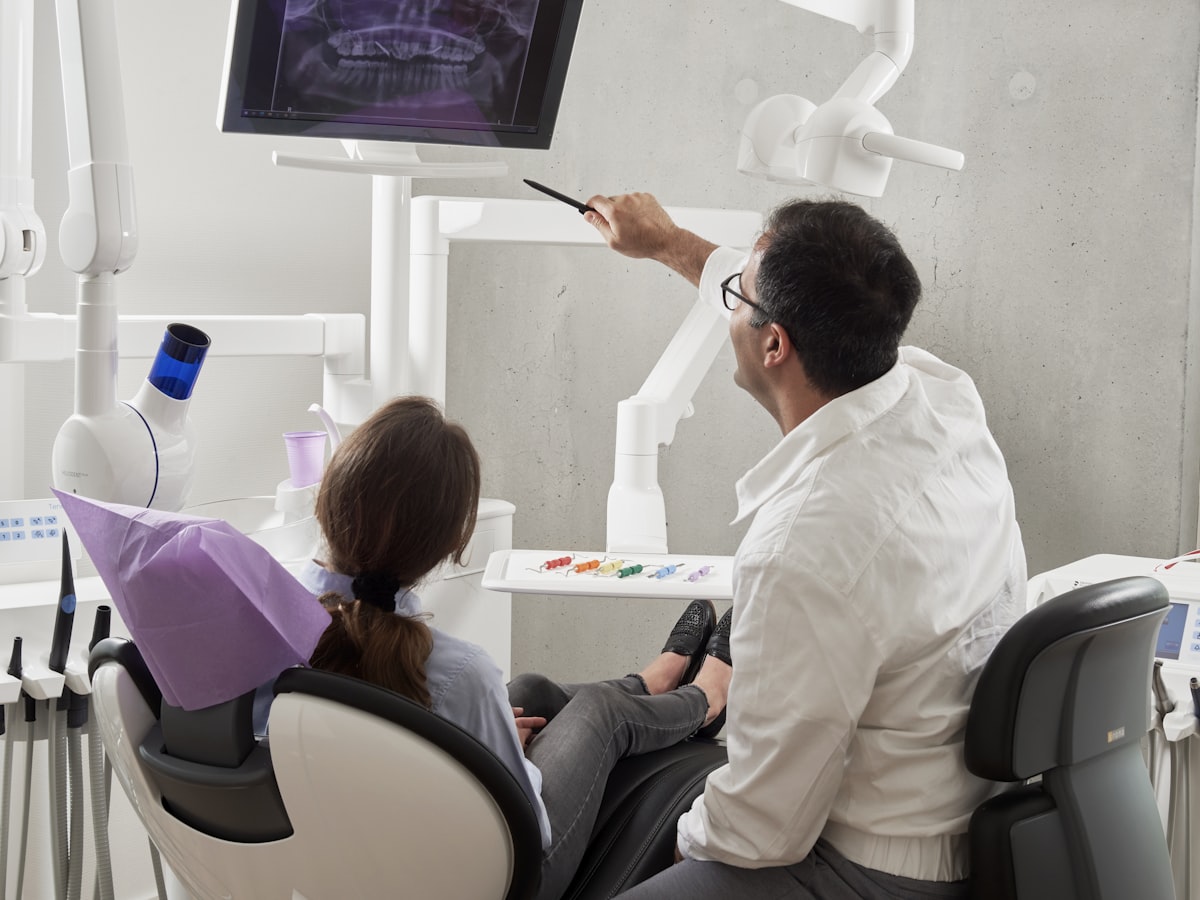
Dentist reviewing scan results with a patient chairside

Symptoms we treat

  • Jaw pain, tightness, or fatigue — especially in the morning
  • Clicking, popping, or grating sounds when you open or chew
  • Jaw that locks open or closed, or deviates when opening
  • Frequent tension headaches or migraines
  • Ear pain, fullness, or ringing without an ear infection
  • Worn, flattened, or chipped teeth from night-time grinding

Finding the cause

TMD rarely has a single cause — clenching and grinding (bruxism), stress, bite misalignment, arthritis, and injury can all contribute. Your assessment includes a detailed history, examination of the joints and muscles, a bite analysis, and imaging where needed. Because worn teeth and TMD feed each other, treating one often relieves the other.

Treatment that fits the diagnosis

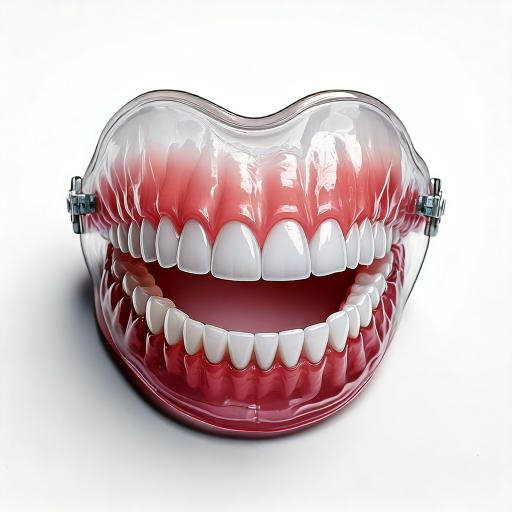
  • Custom night guards (occlusal splints) — the most common and effective first-line treatment: a precisely fitted appliance that protects your teeth and lets the joint muscles relax overnight.
  • Bite adjustment — reshaping or restoring teeth so your bite closes evenly.
  • Restorative correction — rebuilding worn teeth that have collapsed the bite.
  • Self-care coaching — jaw exercises, habit awareness, heat therapy, and stress management that measurably reduce symptoms.
Good to know

TMJ Treatment — your questions answered

Can TMJ problems go away on their own?

Mild flare-ups sometimes settle with rest and self-care. But recurring clicking, pain, or morning headaches usually indicate an ongoing cause — most commonly night-time grinding — that will keep damaging teeth and joints until it's addressed.

How does a night guard help?

A custom guard keeps your teeth slightly separated, absorbs grinding forces, and guides your jaw into a relaxed position. Most patients notice fewer headaches and less jaw fatigue within weeks.

Is a drugstore night guard just as good?

Boil-and-bite guards are bulky, soft (which can actually encourage chewing), and don't position your jaw therapeutically. A custom splint is precisely calibrated to your bite — it's a medical device, not a mouthpiece.

Are TMJ treatments covered by insurance?

Many plans cover night guards and TMD therapy at least partially. We'll check your coverage and bill directly wherever possible.

Related care

You may also be interested in

Custom sports mouth guard

Custom Mouth Guards

Custom-fitted protection for athletes and night-time grinders — comfortable enough to actually wear.

Learn more
Dentist demonstrating a restoration on a dental model

Dental Crowns & Bridges

Strong, natural-looking crowns that protect damaged teeth — and bridges that close the gap.

Learn more
Hygienist treating a smiling patient during a dental cleaning

Teeth Cleaning & Gum Care

Regular cleanings and check-ups that keep small problems small — the foundation of lifelong oral health.

Learn more

Ready for a healthier, more confident smile?

New patients are always most welcome. Evening and Saturday appointments, direct insurance billing, and a team that treats you like family.