905-318-6106 93 Sanatorium Rd, Hamilton, ON L9C 1Y6
Mon–Fri 9–8 · Sat 8–2 New Patients Welcome

Wisdom Teeth Removal

Wisdom teeth often arrive without enough room, growing in sideways, trapping food, or pressing painfully against their neighbours. Our surgical team — led by Dr. Mohamed Mahmoud, internationally trained in oral and maxillofacial surgery — removes wisdom teeth comfortably in-clinic, with sedation options up to IV moderate sedation.

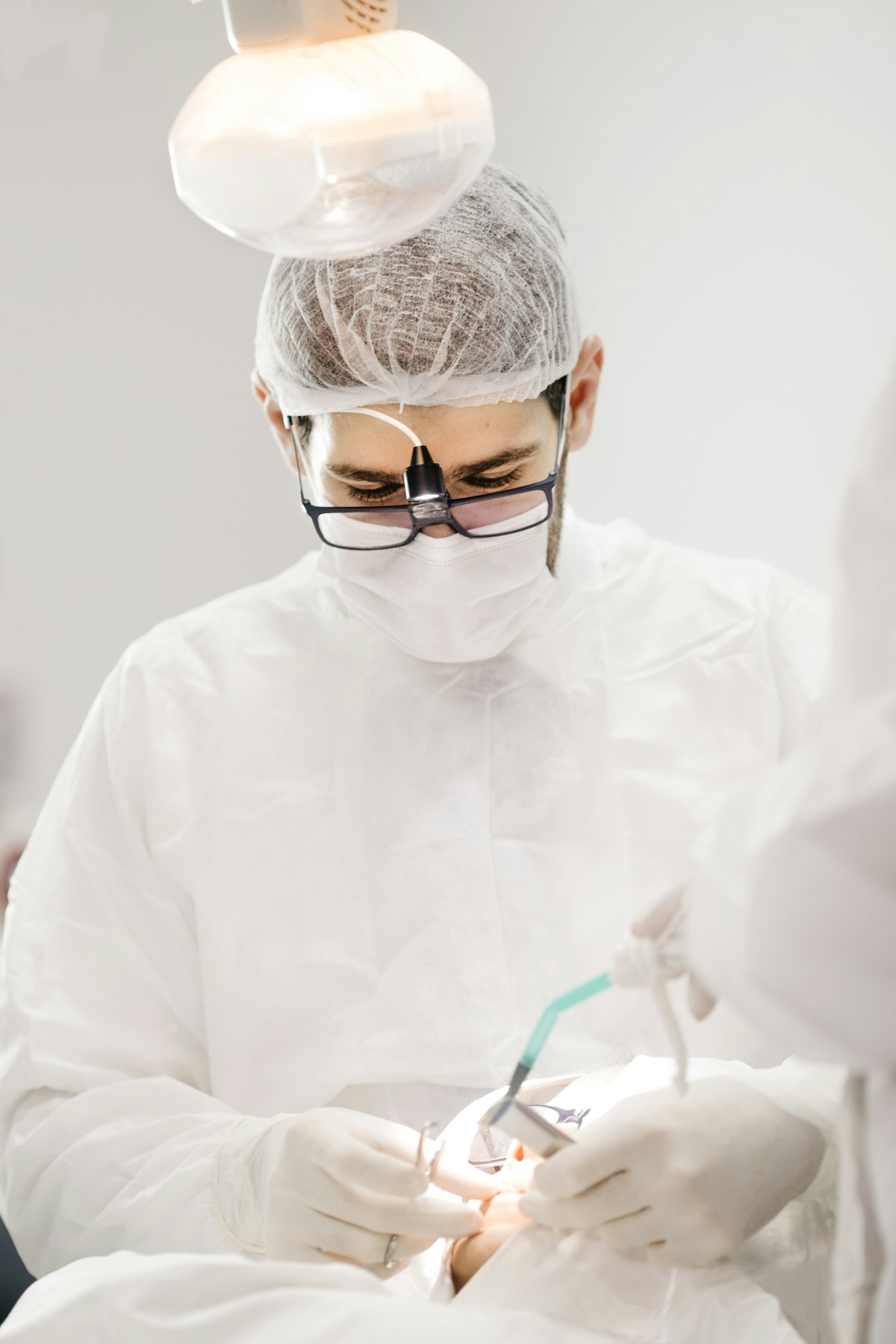
Oral surgeon performing a surgical tooth extraction

When wisdom teeth should come out

  • Pain, swelling, or repeated infection around a partially erupted tooth
  • Impacted teeth growing sideways or trapped in the jaw
  • Decay or gum problems on the wisdom tooth or the molar beside it — they're simply too far back to clean well
  • Crowding pressure as the teeth try to force their way in
  • Cysts forming around an unerupted tooth (visible on X-ray)

Not every wisdom tooth needs to go. If yours are healthy, fully erupted, and cleanable, we'll happily leave them alone and simply monitor them at your check-ups.

Comfort is the whole plan

Nervous about extractions? You're in the majority — and you have options:

  • Local anaesthetic — profound numbing, always.
  • Nitrous oxide (laughing gas) — takes the edge off; you drive yourself home.
  • Oral sedation — a prescribed medication makes the visit hazy and relaxed.
  • IV moderate sedation — administered by Dr. Mahmoud; most patients remember almost nothing of the procedure.

Recovery, honestly

Expect swelling and tenderness for two to four days, managed well with ice, rest, and the medication plan we send home with you. Most patients are back to work or school within three to five days. You'll leave with clear written instructions, and we're a phone call away if anything worries you — including a direct line for post-operative questions.
Good to know

Wisdom Teeth Removal — your questions answered

Do all four wisdom teeth need to come out at once?

Not necessarily — but if several need removal, doing them together means one recovery instead of multiple. With sedation, most patients prefer a single visit. We'll recommend what's right for your case.

Will I be asleep for the procedure?

IV moderate sedation keeps you deeply relaxed and most patients remember little to nothing — though you remain responsive. We'll help you choose the right level of sedation at your consultation.

What can I eat afterwards?

Cool, soft foods for the first few days — yogurt, smoothies (no straws!), mashed potatoes, eggs. Straws and smoking are the enemies of healing; both can dislodge the clot and cause painful dry socket.

Is wisdom tooth removal covered by insurance?

Most dental plans cover extractions, and the CDCP includes oral surgery services for eligible patients. We confirm your coverage and give you exact numbers before booking the procedure.

Related care

You may also be interested in

Patient relaxing in a calm, modern dental operatory

Sedation & Sleep Dentistry

Nitrous oxide, oral, and IV sedation options that make anxiety-free dentistry genuinely possible.

Learn more
Dentist attending to a patient at an urgent dental visit

Emergency Dental Care

Toothache, broken tooth, knocked-out tooth — call or text us for same-day emergency care.

Learn more
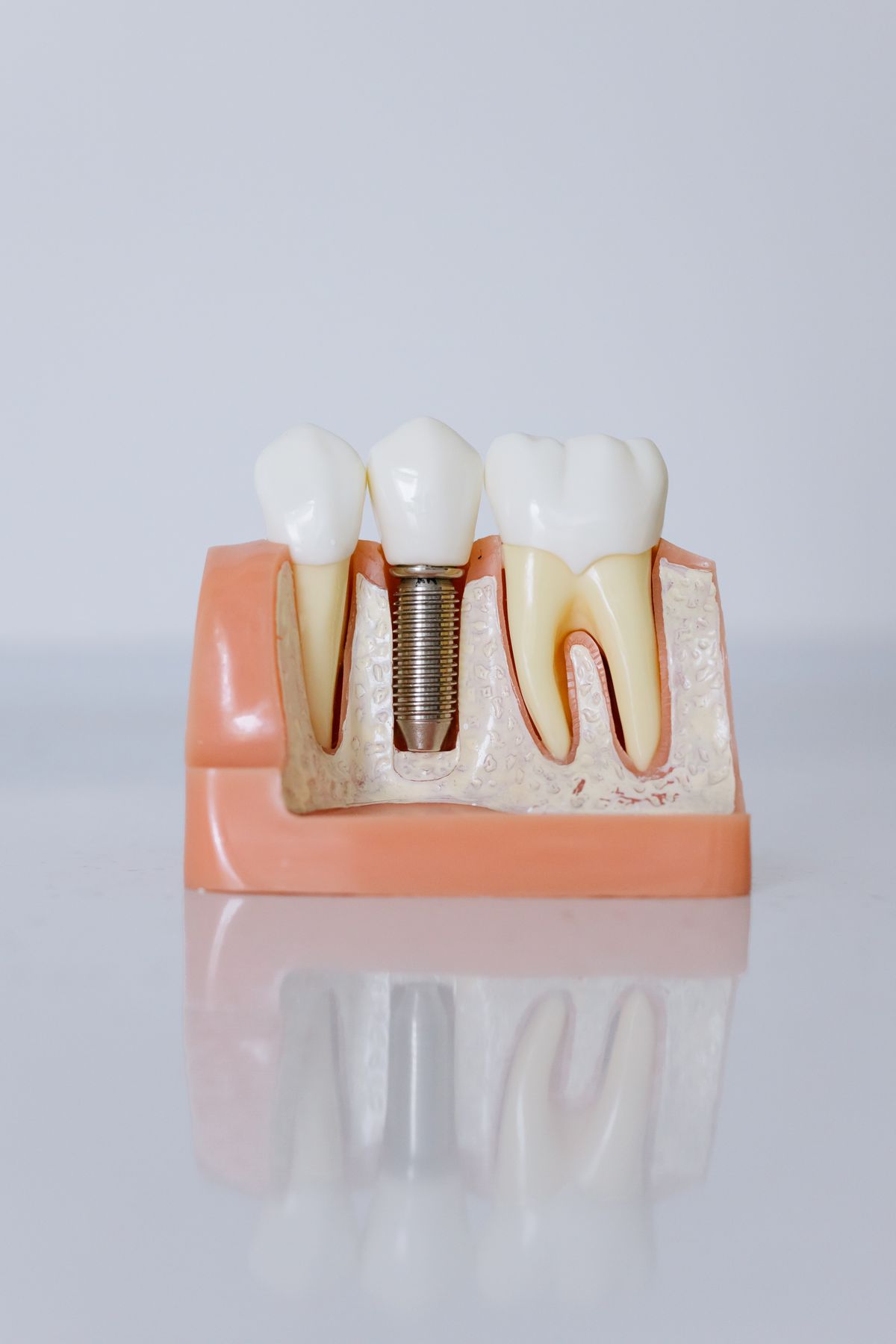
Model of a dental implant beside natural teeth

Dental Implants

Permanent, natural-looking replacements for missing teeth — from a single tooth to a full arch.

Learn more

Ready for a healthier, more confident smile?

New patients are always most welcome. Evening and Saturday appointments, direct insurance billing, and a team that treats you like family.